How Solar Panels Perform During UK Winters
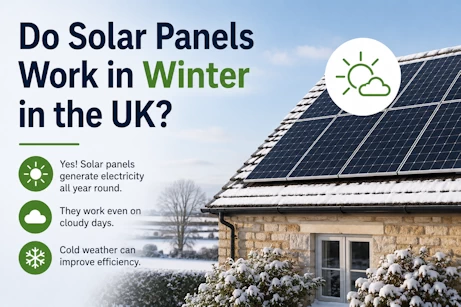
Yes, solar panels absolutely work in winter in the UK – they generate electricity from daylight, not heat. Whilst winter output is lower than summer due to shorter days and lower sun angles, solar panels continue producing valuable energy throughout the coldest months.
In fact, solar panels can be more efficient in cold temperatures. The photovoltaic cells perform better in cooler conditions, meaning a bright, crisp January day can yield surprisingly good generation figures.
UK Winter Solar Output: What to Expect
Across the UK, solar panels typically generate 20-30% of their summer output during December and January. For a standard 4kW system in Wiltshire:
– Summer (June-July): 400-500 kWh per month
– Winter (December-January): 80-120 kWh per month
– Spring/Autumn: 200-300 kWh per month
Whilst these winter figures are lower, they still offset a meaningful portion of your electricity consumption during the most expensive months for heating and lighting.
Real Winter Performance Data from Wiltshire
We monitor numerous solar installations across Wiltshire and Bath. During winter 2023/24, our clients’ systems demonstrated:
– Average daily generation in December: 2.8 kWh (4kW system)
– Best winter day (bright, cold): 8.2 kWh
– Cloudy winter day: 1.2-1.8 kWh
– Extended foggy period: 0.4-0.8 kWh daily
Even these modest figures significantly reduce grid electricity purchases, particularly when paired with battery storage to shift generation to evening use.
Snow, Ice and Panel Performance
Snow coverage does prevent generation, but this is rarely a significant issue in southern England. Most installations we monitor experience only 2-5 days of complete snow coverage per winter, and snow typically slides off tilted panels quickly as they warm from even weak sunlight.
The reflective effect of snow on surrounding surfaces can actually boost generation once panels are clear, as reflected light increases the available energy.
Why Cold Weather Benefits Solar Panels
Solar panel efficiency decreases by approximately 0.5% for every degree Celsius above 25°C. This means:
– A 30°C summer day causes ~2.5% efficiency loss
– A 5°C winter day can improve efficiency by ~10%
This temperature coefficient partially offsets the reduced daylight hours, making bright winter days more productive than many homeowners expect.
Optimising Winter Solar Performance
Panel Angle and Orientation
South-facing panels at a 30-40° pitch capture optimal winter sun in the UK. The lower winter sun angle means steeper panels can sometimes outperform summer-optimised installations during December and January.
Keep Panels Clear
Leaves, moss and debris are more problematic in winter. We recommend autumn cleaning to ensure maximum light capture during the low-generation months. Most installations benefit from annual maintenance checks in October.
Battery Storage for Winter Efficiency
Battery storage becomes even more valuable in winter. With shorter generation windows and longer evenings, storing daytime generation for 5-9pm usage when you’re cooking, using lighting and heating maximises your solar investment.
A 5kWh battery can store most of a winter day’s generation, allowing 70-80% self-consumption compared to just 30-35% without storage.
Financial Returns During Winter Months
Whilst winter generation is lower, electricity prices are often higher due to increased national demand. The Smart Export Guarantee (SEG) rates remain constant year-round, but your avoided electricity purchases during peak winter pricing make every kWh particularly valuable.
A typical Wiltshire household might save:
– £15-25 per month in December-January from solar generation
– £50-75 per month in April-May
– £60-90 per month in June-July
Annual savings typically reach £500-750 depending on system size and consumption patterns.
Winter Myths About Solar Panels Debunked
Myth: “Solar panels don’t work on cloudy days”
Reality: Panels generate 10-25% of clear-day output on overcast days. The UK’s diffuse light still produces significant energy.
Myth: “Solar isn’t worth it in the UK because of our weather”
Reality: Germany, with similar solar irradiance to the UK, has one of Europe’s largest solar installations. UK solar systems typically achieve 20-25 year payback periods.
Myth: “You need to clear snow from panels”
Reality: Snow usually melts and slides off naturally. Climbing on roofs is dangerous and unnecessary for the rare snow events in southern England.
Year-Round Solar Investment
Solar panels provide consistent value across all seasons in the UK. Whilst summer generation is higher, the combination of winter production, year-round electricity savings, SEG payments and rising energy costs makes solar a sound financial investment regardless of our variable weather.
Oakford Integration’s Winter Performance Guarantee
All our solar installations include performance monitoring and we provide realistic year-round generation estimates based on your specific location, roof orientation and shading analysis. We use PVGIS data calibrated against our extensive local installation history to give accurate winter and summer projections.
Get in touch to discuss how solar panels would perform on your property throughout the year.
Get Expert Advice