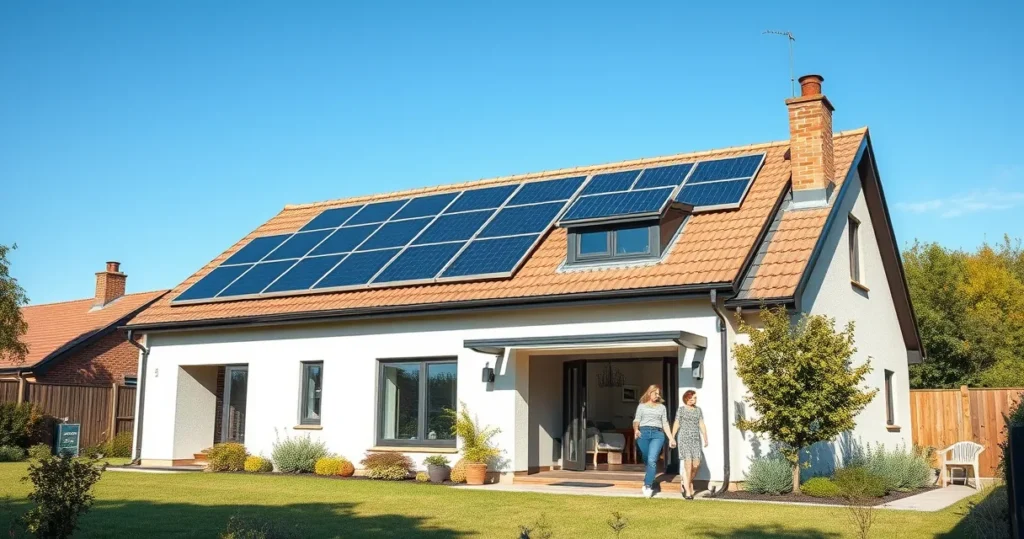
Are you looking to reduce your energy bills, boost your property’s sustainability and gain greater energy independence? Solar panels and battery storage could be the perfect solution. By combining solar energy generation with battery storage, you can harness renewable power during the day and use it efficiently at night or during peak times, cutting your reliance on the grid. This guide explores how solar panels and battery storage work together, what to look for when choosing a system, and why combining them delivers genuine value for homes and businesses across Wiltshire and the South of England.
Why Combine Solar Panels with Battery Storage?
Solar panels are a powerful way to generate your own electricity, but they only produce energy when the sun is shining. That’s where battery storage comes in.
Save Excess Energy for Later Use
During the day, solar panels often generate more electricity than most homes or businesses can use immediately. Without battery storage, this surplus is typically exported to the grid, usually at rates considerably lower than the price you pay to import electricity. Battery storage allows you to capture this excess energy and use it when you need it most — in the evening, overnight, or during periods of high demand.
This shift from exporting at low rates to storing for your own use represents one of the most significant financial advantages of adding battery storage to a solar installation.
Reduce Grid Dependency and Lower Bills
By drawing on your own stored solar energy during peak times and after dark, you can significantly reduce the amount of electricity you need to purchase from the grid. This not only lowers your energy bills but also provides a degree of protection against future price increases.
For businesses operating during evening hours or with round-the-clock energy requirements, battery storage enables solar panels to deliver value well beyond daylight hours, improving the return on your renewable energy investment.
Increase Self-Consumption and System Value
Without battery storage, typical households consume only 30–40% of the electricity their solar panels generate, exporting the rest. Adding battery storage can increase self-consumption to 70% or more, meaning you’re using far more of the clean energy you produce rather than buying it back from the grid later at a higher price.
This enhanced self-consumption improves payback periods and increases the overall value delivered by your solar installation.
How Solar Panels and Battery Storage Work Together
Understanding how these technologies integrate helps you make informed decisions about system design and specification.
Solar Panels Convert Sunlight into Electricity
Solar photovoltaic (PV) panels use semiconductor materials to convert sunlight into direct current (DC) electricity. The amount of power generated depends on panel efficiency, orientation, shading and local weather conditions. Modern panels perform well even in diffuse light, making them suitable for the UK climate.
Inverters Convert DC to Usable AC Power
The DC electricity produced by solar panels must be converted into alternating current (AC) before it can power standard appliances or be fed into your property’s electrical system. This conversion is handled by an inverter — either a string inverter serving all panels, or micro-inverters fitted to individual panels.
Hybrid inverters are increasingly popular, as they manage both solar generation and battery charging within a single unit, simplifying system design and reducing equipment costs.
Excess Energy is Stored in Battery Systems
When your solar panels generate more electricity than you’re using, the surplus is directed to charge your battery storage system. Modern lithium-ion batteries are compact, efficient and capable of thousands of charge-discharge cycles, making them well-suited to daily solar storage applications.
Battery capacity is measured in kilowatt-hours (kWh). A typical home battery might range from 5kWh to 15kWh, with larger systems available for commercial properties or homes with higher energy consumption.
Smart Energy Management Systems Optimise Performance
Modern solar and battery installations include energy management systems that intelligently control when to use, store or export electricity. These systems can respond to time-of-use tariffs, weather forecasts and your consumption patterns to maximise savings and efficiency.
Many systems offer smartphone apps that provide real-time monitoring of generation, consumption, battery status and savings, giving you full visibility and control over your energy use.
Choosing the Right Solar Panel System
Selecting the right solar panel system requires careful consideration of your energy needs, property characteristics and budget.
System Sizing and Design
The size of your solar array should be based on: – Your annual electricity consumption – Available roof space and orientation – Shading from trees, chimneys or neighbouring buildings – Your budget and return-on-investment expectations
South-facing roofs deliver optimal performance in the UK, but east and west-facing installations can still provide excellent returns, particularly when paired with battery storage that captures morning and afternoon generation.
Panel Types and Quality
Most residential and commercial installations use monocrystalline panels, which offer higher efficiency and better performance in low-light conditions than polycrystalline alternatives. Panel wattage typically ranges from 350W to 450W for modern residential modules.
Quality matters significantly in solar installations. Reputable manufacturers provide product warranties of 25 years or more and performance guarantees ensuring panels maintain at least 80–85% of their original output after 25 years.
Roof-Mounted vs Alternative Installations
While roof-mounted systems are most common, alternatives include: – Ground-mounted arrays for properties with suitable land – Solar carports that provide weather protection while generating electricity – Building-integrated photovoltaics for new construction or major refurbishments
For commercial premises, flat roofs offer excellent opportunities for solar installations using ballasted mounting systems that require no roof penetration.
Battery Storage Options for Solar Systems
Choosing the right battery storage involves balancing capacity, lifespan, warranty and cost.
Lithium-Ion Battery Technology
Lithium-ion batteries dominate the solar storage market due to their high energy density, long cycle life and declining costs. They typically offer: – 10–15 year warranties – 4,000–6,000+ charge-discharge cycles – 90–95% round-trip efficiency – Compact footprint suitable for garage or utility room installation
Lithium iron phosphate (LiFePO4) batteries are increasingly popular for home storage due to their enhanced safety characteristics and longer lifespan compared to other lithium chemistries.
Capacity and Scalability
Battery capacity should match your evening and overnight electricity consumption. For most households, a 5–10kWh battery provides a good balance between cost and utility. Many systems offer modular expansion, allowing you to add capacity as needs change or budgets allow.
Commercial installations may require significantly larger storage capacity, particularly where energy use continues overnight or where reducing peak demand charges delivers substantial savings.
Battery Management and Safety
Quality battery systems include sophisticated battery management systems (BMS) that monitor cell voltages, temperatures and charge states to ensure safe, efficient operation and maximum lifespan. Modern batteries are designed to meet rigorous safety standards and include multiple protection mechanisms against overcharging, overheating and electrical faults.
Installation by qualified professionals ensures systems are properly configured, safely connected and fully compliant with UK electrical regulations.
Financial Considerations and Payback
Understanding the costs and returns helps you make informed investment decisions.
System Costs
Solar panel installations typically cost £5,000–£8,000 for a standard residential system, with battery storage adding £3,000–£6,000 depending on capacity. Commercial installations vary widely based on size and complexity.
Costs have fallen significantly in recent years, making solar and storage increasingly accessible while energy prices have risen, improving the financial case for investment.
Savings and Payback Periods
Typical payback periods for solar-plus-storage systems range from 8–14 years, depending on: – System cost and size – Your electricity consumption and usage patterns – Energy prices (which vary by region and supplier) – Export tariff rates – Availability of additional incentives or grants
With energy prices significantly higher than a few years ago, savings have increased substantially, shortening payback periods compared to earlier installations.
Smart Export Guarantee (SEG)
While battery storage reduces the amount of electricity you export, you’ll still receive payments for surplus energy under the Smart Export Guarantee. SEG rates vary between suppliers, with some offering premium rates for solar exports. Comparing SEG tariffs can add several hundred pounds to your annual savings.
Maintenance and Ongoing Costs
Solar panels require minimal maintenance — occasional cleaning and periodic inspections are typically sufficient. Inverters may need replacement after 10–15 years, which should be factored into lifetime cost calculations. Battery warranties typically cover performance degradation, giving you confidence in long-term operation.
Solar and Storage for Different Applications
Solar and battery storage delivers value across various contexts, from family homes to commercial premises.
Residential Properties
Homeowners benefit from reduced electricity bills, protection against price increases and increased property value. Battery storage is particularly valuable for households with evening and overnight electricity consumption, electric vehicle charging or home working patterns that extend energy use beyond peak solar generation hours.
Commercial and Industrial Sites
Businesses can benefit from: – Reduced energy costs across daytime and evening operations – Lower peak demand charges where applicable – Enhanced corporate sustainability credentials – Improved energy resilience and security of supply
Larger commercial systems often justify professional energy assessments to optimise system design and maximise return on investment.
Educational and Public Buildings
Schools, community centres and public buildings are excellent candidates for solar and storage, with predictable usage patterns, suitable roof space and strong sustainability drivers. These installations often deliver educational benefits alongside financial returns.
Off-Grid and Rural Properties
For properties without mains electricity connection, or where grid connection costs are prohibitive, solar and battery systems combined with backup generation provide reliable, cost-effective power. Properly designed off-grid systems can deliver comfort and convenience comparable to grid-connected properties.
Integration with Other Technologies
Solar and battery storage work particularly well when integrated with other energy technologies.
Electric Vehicle Charging
Combining solar, battery storage and EV charging allows you to power your vehicle with clean energy generated at home, significantly reducing transport costs. Smart charging systems can prioritise charging when solar generation is high or battery storage is full, maximising the use of your renewable energy.
Learn more about our EV charging solutions.
Heat Pumps and Smart Heating
Solar electricity can power heat pumps efficiently, particularly when battery storage enables use of stored solar energy during cooler evening and morning periods when heating demand is highest. This combination significantly reduces the running costs of low-carbon heating systems.
Smart Home Integration
Modern solar and battery systems integrate with home automation platforms, enabling sophisticated energy management strategies that reduce consumption, shift loads to match solar generation and optimise comfort while minimising costs.
Common Questions About Solar and Battery Storage
Will Solar Panels Work on Cloudy Days?
Yes. Solar panels generate electricity in all daylight conditions, though output is reduced compared to bright sunshine. The UK receives sufficient solar radiation to make solar panels economically viable, and modern panels are specifically designed to perform well in diffuse light conditions typical of British weather.
How Long Do Solar Panels and Batteries Last?
Quality solar panels typically carry 25-year performance warranties and can continue generating electricity for 30–40 years with gradually declining output. Lithium-ion batteries usually offer 10–15 year warranties and 4,000–6,000+ cycles, translating to 10–20 years of daily use depending on depth of discharge.
Do I Need Planning Permission?
Most domestic solar installations qualify as permitted development and don’t require planning permission, though exceptions apply for listed buildings, conservation areas and some flat-roof installations. Commercial installations and ground-mounted arrays may require planning consent. Your installer should confirm requirements for your specific situation.
Can I Add Battery Storage to an Existing Solar System?
In most cases, yes. Retrofitting battery storage to existing solar installations is increasingly common as battery costs have fallen. Depending on your existing inverter, you may need to add a battery inverter or upgrade to a hybrid unit, but the solar panels themselves typically don’t require modification.
What Happens During a Power Cut?
Standard grid-tied solar systems shut down during power cuts for safety reasons, preventing electricity flowing back into the grid and endangering utility workers. However, battery storage systems with backup functionality can continue powering designated circuits during outages, providing energy security when you need it most.
Why Choose Oakford Integration for Solar and Battery Storage?
At Oakford Integration, we bring specialist expertise in electrical infrastructure, renewable energy and smart technology integration, ensuring your solar and battery storage system is designed and installed to the highest standards.
Our approach combines: – Professional system design based on detailed assessment of your energy needs, property characteristics and budget – Quality equipment from established manufacturers with proven performance and comprehensive warranties – Expert installation by qualified engineers ensuring safe, compliant and efficient operation – Integration capability with EV charging, smart home systems and wider building infrastructure – Ongoing support to ensure your system continues delivering optimal performance
As part of the Oakford Group, we can also provide complementary services including network infrastructure, electrical upgrades, smart building technologies and IT systems, offering genuinely integrated solutions for residential, commercial and public sector customers.
Take the Next Step Towards Energy Independence
Solar panels and battery storage together offer substantial financial savings, enhanced sustainability and greater control over your electricity supply. Whether you’re a homeowner looking to reduce bills and carbon footprint, a business seeking to cut operating costs, or a public sector organisation pursuing sustainability targets, solar and battery storage delivers measurable long-term value.
Oakford Integration provides expert design, installation and support for solar and battery storage systems across Wiltshire, Hampshire, Dorset, Somerset, Gloucestershire, Berkshire and Oxfordshire.
Ready to explore how solar panels and battery storage could work for your property? Contact Oakford Integration today to arrange a consultation and receive a tailored proposal based on your specific requirements.
For more information about our renewable energy services, visit our Solar and Battery Storage page.
Frequently asked questions
Is it worth getting battery storage with solar panels?
Yes, battery storage with solar panels increases energy independence, reduces reliance on the grid and maximises savings by storing excess electricity for use later.
What are the disadvantages of solar battery storage?
Initial costs can be high, and batteries require space and regular maintenance. Performance may also degrade over time, reducing efficiency after several years.
How long will a 10kWh battery last?
A 10kWh battery can power a typical home for several hours, depending on energy usage. It’s ideal for short-term backup during outages or overnight use.
What is the biggest problem with solar panels?
The main challenge is intermittency—solar panels rely on sunlight, so they don’t generate power at night or during cloudy weather without battery storage.