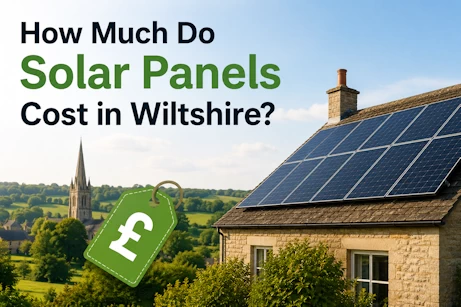
In Wiltshire, a typical residential solar panel system costs between £5,000 and £7,000 for a smaller 3–4 kWp installation, rising to £7,000 to £10,000 for a 5–6 kWp system.
What System Size Do You Actually Need?
Understanding which system size suits your home depends on your energy consumption and available roof space.
A 3–4 kWp system typically suits a smaller household with moderate electricity usage. This size works well for properties with one or two bedrooms where daytime energy use is relatively low, or where roof space is limited by dormer windows, chimneys, or shading from neighbouring trees.
A 5–6 kWp system provides more generation capacity and better suits family homes with higher consumption. If you run appliances throughout the day, have electric heating or cooling, or plan to add an EV charger in future, a larger system offers more flexibility and stronger long-term returns.
The roof orientation, pitch, and available unshaded area all influence what can physically be installed. South-facing roofs generate the most energy, but east and west orientations still perform well, particularly when paired with battery storage that captures excess generation for later use.
What Affects Solar Panel Costs in Wiltshire?
Several factors influence the final price you’ll pay for a solar installation.
Roof characteristics play a significant role. A simple, unobstructed roof with easy access keeps installation straightforward and cost-effective. Complex roof layouts, multiple levels, conservation area restrictions, or difficult access may require additional planning, scaffolding, or specialist mounting equipment.
Equipment quality varies widely. Entry-level panels and inverters cost less upfront but may offer shorter warranties and lower efficiency. Premium equipment typically delivers better performance over time, greater durability, and longer manufacturer support. The difference affects both initial outlay and long-term value.
Battery capacity directly impacts storage costs. A smaller battery stores enough energy for evening use, whilst larger capacity systems provide backup for longer periods or higher consumption households. The choice depends on your usage patterns and how much self-sufficiency you want to achieve.
Installation complexity includes factors like electrical upgrades, cable routing, integration with existing systems, or structural considerations. Older properties may need consumer unit upgrades or additional earthing work to meet current standards.
Integration with smart technology can add value through monitoring, automation, and optimisation. Combining solar with EV charging, smart heating controls, or energy management systems creates a coordinated approach that maximises efficiency and convenience.
Solar Panels Versus Solar Panels with Battery Storage
Choosing between solar panels alone or adding battery storage changes both the upfront cost and the way your system works.
Solar panels without battery storage feed excess electricity back to the grid through export tariffs. During sunny periods, any generation you don’t immediately use gets exported rather than stored. You still benefit from free electricity whenever the sun shines and you’re using power, but evening and night-time consumption comes from the grid as usual.
Solar panels with battery storage capture surplus energy during the day and make it available when you need it most. Since peak electricity rates often apply during early morning and evening hours, using your own stored power during these times delivers stronger savings. A battery also provides some resilience during power cuts, depending on the system design.
The decision often comes down to your usage patterns. Households that use most electricity during evenings and weekends benefit more from storage. Those with high daytime consumption may find panels alone deliver good results without the additional battery investment.
For detailed comparisons, see our guide on solar panels vs battery storage.
Understanding What’s Included in Installation Costs
When comparing quotes, it’s important to know what the price actually covers.
A comprehensive solar installation includes design and site survey, supply of all panels and mounting equipment, inverter and generation metre, electrical connection and testing, system commissioning, and handover documentation. If you’re adding battery storage, the price should include the battery unit, integration with the solar system, and configuration of charging and discharge settings.
Installation work involves scaffolding where needed, roof mounting and weatherproofing, all electrical work including any consumer unit upgrades, connection to your property’s electrical system, and certification to meet building regulations and electrical safety standards.
Aftercare typically includes system handover and demonstration, monitoring setup so you can track generation and usage, and guidance on maintenance and operation. Understanding what happens after installation, including any ongoing support or warranty arrangements, helps you compare different installers fairly.
How Solar Integration Works with Your Home’s Energy System
Modern solar installations work best when integrated with your wider home infrastructure rather than operating in isolation.
Smart energy monitoring gives real-time visibility of generation, consumption, and storage levels. This insight helps you adjust usage patterns to maximise self-consumption, running dishwashers, washing machines, and other flexible loads when generation is strong.
EV charging integration allows your vehicle to charge directly from solar generation during the day or from stored battery power overnight. This coordination reduces grid reliance and running costs, particularly valuable as petrol and diesel vehicles are phased out.
Heating and cooling control can be linked to solar availability, pre-heating water or adjusting temperatures when surplus generation is available. These strategies increase the proportion of solar energy you actually use rather than export.
Smart home automation ties lighting, heating, and other systems together with generation and storage, creating a coordinated approach that improves efficiency and comfort without requiring constant manual intervention.
For an overview of how these technologies work together, visit our complete guide to solar panels and battery storage.
Local Considerations for Wiltshire Properties
Installing solar in Wiltshire comes with some specific local factors worth considering.
The region includes a mix of modern estates, period cottages, listed buildings, and rural properties. Period properties often feature stone or slate roofs that require specialist mounting systems and careful weatherproofing. Listed buildings may need conservation approval before installation, though solar is increasingly accepted where panels aren’t visible from the street.
Rural locations sometimes face longer grid connection distances or three-phase supplies that need particular equipment. Discussing your property type and location during the initial consultation ensures the design accounts for any specific requirements.
Wiltshire’s energy infrastructure supports solar well, and the area benefits from decent solar irradiation despite the British climate. Properties across Salisbury, Chippenham, Marlborough, and surrounding villages have successfully adopted solar technology, demonstrating its viability across different property types and locations.
Calculating Potential Returns and Payback
Understanding the financial performance of solar helps you assess whether it represents good value for your situation.
Energy bill savings depend on how much generated electricity you use directly rather than importing from the grid. Higher self-consumption rates deliver stronger savings. Adding battery storage increases the amount of solar energy you can use, particularly during peak rate periods.
Export income comes from selling surplus generation back to the grid through export tariffs. Rates vary between suppliers, and some offer premium rates for renewable generation. This income offsets your initial investment over time.
Property value can benefit from installed renewable energy systems, particularly as energy performance becomes increasingly important to buyers. A home that generates its own electricity and offers lower running costs has tangible appeal in the current market.
Payback periods vary based on system size, your consumption patterns, electricity prices, and how much generation you self-consume versus export. The current price ranges see most Wiltshire homeowners achieving payback within 6–10 years, with systems typically continuing to operate well beyond that point.
For a detailed assessment of returns and value, read our analysis on whether solar is worth it in Wiltshire.
How to Get Accurate Pricing for Your Property
Generic cost estimates provide useful guidance, but every property is different. Getting accurate pricing requires a site-specific assessment.
A proper solar consultation involves reviewing your current energy usage, inspecting your roof and electrical installation, discussing your goals around savings and sustainability, and exploring options for battery storage and wider integration.
Oakford Integration offers a free consultation that provides tailored system design based on your actual property and usage, transparent pricing with clear breakdowns of equipment and installation, explanation of expected performance and savings potential, and guidance on smart integration options including EV charging and home automation.
The consultation process helps you understand what’s realistic for your property and budget, rather than working from assumptions or averages. For solar and battery storage solutions across Wiltshire, our team provides the technical expertise and integrated approach that ensures your system delivers long-term value.
To explore options for your home, visit our main solar panels and battery storage Wiltshire page or get in touch for a property-specific assessment.
Frequently Asked Questions
Do solar panels work well in Wiltshire’s climate?
Yes, solar panels generate electricity from daylight rather than direct sunshine, so they perform well even on overcast days. Wiltshire receives sufficient solar irradiation to make solar installations financially viable, particularly when combined with battery storage that maximises the proportion of generated energy you actually use.
Should I install solar panels now or wait for prices to fall?
Solar equipment prices have already fallen significantly and are relatively stable. Meanwhile, electricity prices continue to rise, meaning earlier installation typically delivers better overall returns. Waiting also delays the savings and environmental benefits you’d gain from generating your own renewable energy.
Can I add battery storage to solar panels later?
Yes, battery storage can be added after initial solar installation, though designing both together from the start often proves more cost-effective and creates a better-integrated system. If you’re considering storage but aren’t ready to invest immediately, discuss future-proofing options during your initial consultation.
What maintenance do solar panels need?
Solar panels require minimal maintenance. Occasional cleaning to remove accumulated dirt or debris maintains optimal performance, and periodic inspection ensures mounting and electrical connections remain secure. Most systems include monitoring that alerts you to any performance issues requiring attention.
How long do solar panels and batteries last?
Solar panels typically continue generating electricity effectively for several decades, with gradual performance decline over time. Battery storage systems have shorter lifespans but still provide many years of service. Specific longevity depends on equipment quality, usage patterns, and maintenance, which is why choosing quality equipment and professional installation matters for long-term value.
Get Your Free Solar Consultation
Ready to explore what solar could deliver for your Wiltshire home? Oakford Integration provides free consultations that give you accurate, property-specific pricing and design options tailored to your energy goals.
Contact us on 01380 530500 or email hello@oakfordintegration.co.uk to arrange your consultation. Our team serves properties throughout Wiltshire and surrounding areas, delivering integrated solutions that combine solar, battery storage, EV charging, and smart home technology for genuinely sustainable, future-ready homes.