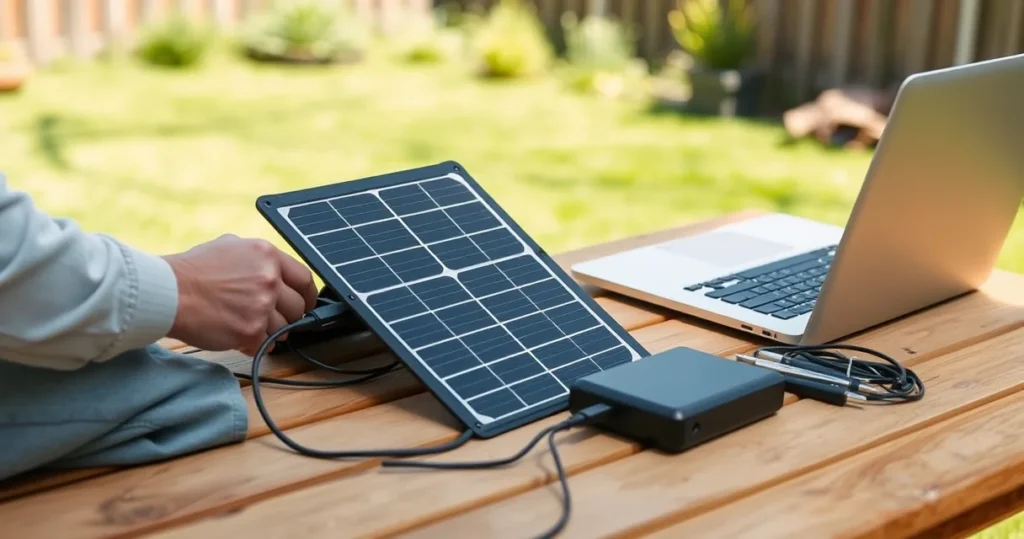
Plug in solar panels are becoming an increasingly popular choice for UK homeowners, businesses, and outdoor enthusiasts looking to generate their own renewable energy. Unlike traditional fixed solar panel systems, plug in solar panels offer a more flexible and accessible solution. Whether you’re looking to power individual devices, supplement your home electricity supply, or enjoy off-grid energy in remote locations, plug in solar panels provide a straightforward way to harness solar power. In this guide, we’ll explore how they work, the benefits they offer, and how to choose the right system for your needs.
What Are Plug in Solar Panels?
Plug in solar panels are a type of modular or portable solar technology that can be easily connected to a power source, battery, or electrical appliance. They are designed to be user-friendly and don’t require the complex installation or permanent structural changes that traditional solar arrays often need. These systems are particularly appealing in the UK for their versatility and ease of use, making them suitable for a range of applications.
Key Features of Plug in Solar Panels
- Modularity and Portability: Most plug in solar panels are lightweight and compact, allowing for easy transport and installation. This makes them well-suited for outdoor use or temporary setups.
- Plug-and-Play Design: These panels typically come with built-in USB ports, Anderson connectors, or other standard plug types that allow straightforward connection to batteries or electrical devices without requiring professional installation.
- Flexible Application: Whether you need to power a small device, charge a battery, or supplement your home energy use, plug in solar panels can be adapted to your specific requirements.
These features make plug in solar panels an attractive option for those who want the benefits of solar energy without the time and cost associated with a full installation.
How Do Plug in Solar Panels Work?
At their core, plug in solar panels operate using the same photovoltaic (PV) technology as traditional solar panels. The difference lies in their design and how they are connected to the power system.
The Conversion Process
- Sunlight Capture: Solar panels are made up of PV cells that absorb sunlight.
- Electricity Generation: The absorbed sunlight is converted into direct current (DC) electricity.
- Power Output: This electricity is either stored in a battery or used directly by an appliance or electrical system.
Some plug in solar panel systems include built-in inverters that convert DC power to alternating current (AC), making them compatible with most household appliances. However, it’s important to note that not all plug in systems include this feature, so check the specifications carefully before purchasing.
Suitable for Off-Grid and Supplemental Use
Plug in solar panels work particularly well in off-grid situations or as a supplemental energy source. For example, they can power garden lighting, small tools, or charge laptops and phones. In more advanced setups, they can be connected to a home’s electrical system or battery storage unit, helping homeowners to reduce their reliance on the grid.
It’s worth noting that any connection to your home’s main electrical system should be carried out by a qualified electrician to ensure compliance with UK electrical safety regulations.
Benefits of Plug in Solar Panels in the UK
The UK’s variable weather doesn’t prevent solar panels from generating electricity, though output does vary with sunlight levels. Here are some of the key benefits of plug in solar panels:
Straightforward to Install and Use
One of the most significant advantages of plug in solar panels is their simplicity. They don’t require professional installation for basic setups and can be ready to use in minutes. This makes them an excellent choice for renters, homeowners with limited roof space, or anyone looking to get started with solar energy without a long-term commitment.
However, if you’re planning to connect a plug in solar system to your home’s electrical circuits, you should consult a qualified electrician to ensure the installation is safe and compliant with Building Regulations.
Ideal for Remote and Outdoor Use
Whether you’re camping, working in a remote location, or running an outdoor business, plug in solar panels provide a way to generate electricity away from the mains supply. They are commonly used for powering portable fridges, lighting, and communication equipment in areas where access to the national grid is limited.
Potential to Reduce Energy Bills and Carbon Emissions
By generating your own power, you can potentially decrease your reliance on grid electricity and reduce your carbon footprint. The amount you’ll save depends on your system size, how much sunlight your panels receive, and your energy consumption patterns. For businesses or homeowners committed to sustainability, this represents a step towards cleaner energy.
Scalable and Upgradeable
Plug in solar panels are modular, meaning you can start with a small system and expand it as your energy needs grow. This flexibility ensures you don’t have to invest in a large system upfront, and you can tailor your setup to your budget and requirements.
Portable Solar Panels vs. Plug in Solar Panels
While both portable and plug in solar panels offer mobility and flexibility, there are some differences worth understanding. These terms are sometimes used interchangeably, but here’s how they typically differ:
Portable Solar Panels
- Designed for Mobility: These are typically lightweight and foldable, making them ideal for travel, camping, or outdoor use.
- Lower Power Output: Due to their compact size, portable panels usually generate less power than larger plug in models.
- Use Case: Best suited for powering small devices like phones, tablets, and LED lights.
Plug in Solar Panels
- Higher Power Output: These panels are typically larger and more powerful, making them suitable for both off-grid and grid-connected applications.
- Ease of Integration: They often include connection ports that make it easier to integrate them with batteries or existing electrical systems.
- Use Case: Better suited for homes, businesses, and situations where more power is required.
In short, if you need higher power output and versatility, plug in solar panels are likely the better choice. For on-the-go use and low-power needs, portable solar panels may be more appropriate.
How to Choose the Right Plug in Solar Panel System
Choosing the right plug in solar panel system starts with understanding your energy needs and usage patterns. Here are some key factors to consider:
Assess Your Energy Requirements
Before purchasing any solar system, it’s important to evaluate what you plan to power. Are you looking to charge small devices, run a camping setup, or supplement your home energy? The size and capacity of your solar panel system should match your energy requirements.
Calculate the wattage of the devices you want to power and how many hours per day you’ll use them. This will help you determine the appropriate panel size and whether you’ll need battery storage.
Look for Efficiency and Durability
In the UK, weather conditions can vary significantly, so it’s essential to choose panels that are both reasonably efficient and durable. Look for panels with weather-resistant construction to ensure they perform well in various conditions. Check the IP (Ingress Protection) rating if you plan to use them outdoors frequently.
Check Compatibility with Existing Systems
If you plan to connect your solar panels to an existing electrical system or battery storage unit, ensure they are compatible. Some systems may require additional components like inverters or charge controllers to function properly. Don’t assume all components will work together—verify specifications before purchasing.
Consider Brand Reputation and Support
When investing in solar technology, it’s wise to choose a reputable brand with good customer reviews. Look for companies that offer adequate warranties and customer support to ensure your system remains reliable over time.
Understand UK Regulations
For simple plug in solar setups that charge batteries or power stand-alone devices, there are typically no special permissions required. However, if you’re connecting to your home’s electrical system, you may need to notify your Distribution Network Operator (DNO) and ensure the work is carried out by a qualified professional in accordance with the Wiring Regulations (BS 7671).
Why Choose Oakford Integration for Your Solar Needs
At Oakford Integration, we specialise in providing solar and battery storage solutions tailored to the needs of UK homes and businesses. Whether you’re considering a plug in solar panel system, a full rooftop installation, or battery storage, our team offers expert advice, installation, and ongoing support.
Experience and Knowledge
We understand the unique challenges and opportunities of generating solar power in the UK. Our team has experience in designing and installing solar systems that are efficient, durable, and compliant with UK regulations.
Quality Equipment
We work with UK-approved equipment that meets safety and performance standards. Our solar panels and accessories are built to withstand the UK climate.
Local Support
With our base in Wiltshire and service coverage beyond, we offer localised service and support. Whether you need a consultation, installation, or maintenance, we’re here to help you through the process.
If you’re interested in learning more about plug in solar panels or exploring other solar solutions, we recommend visiting our Solar Panels & Battery Storage Wiltshire page for more information. You might also find it useful to read Can You Add Battery Storage to Existing Solar Panels? for guidance on expanding your system.
For those concerned about how solar panels perform in winter, our article Do Solar Panels Work in Winter in the UK? provides valuable insights. And if you’re looking for a broader overview of solar energy, you can read Power Up with Solar: Smarter, Greener Energy for more information.
Frequently Asked Questions About Plug in Solar Panels
Do plug in solar panels work on cloudy days in the UK?
Yes, plug in solar panels continue to generate electricity on cloudy days, though at reduced output compared to bright sunny days. The UK climate is perfectly suitable for solar panel use, though you should set realistic expectations about generation levels during winter months.
Do I need planning permission for plug in solar panels?
For portable or temporary plug in solar systems, you typically don’t need planning permission. However, if you’re installing panels permanently on your property, different rules may apply. It’s always worth checking with your local planning authority if you’re unsure.
Can plug in solar panels power my entire home?
Small plug in solar panel systems are generally not sufficient to power an entire home. They’re best used as supplemental power sources or for specific applications. For whole-home solar power, a professionally installed rooftop system with battery storage is more appropriate.
How long do plug in solar panels last?
Quality plug in solar panels typically last 20-25 years or more, though their efficiency may decrease slightly over time. Look for products with decent warranties as an indicator of expected lifespan.
Are plug in solar panels worth it in the UK?
This depends on your specific needs and circumstances. For off-grid applications, camping, or supplementing home energy use, plug in solar panels can provide good value. They offer a low-cost entry point into solar energy without the commitment of a full installation.
Getting Started with Plug-in Solar Panels in the UK
Before installing plug-in solar panels, it’s important to assess whether your property is suitable and understand the necessary steps to ensure a safe and compliant setup. Here are key considerations to help you get started:
1. Property Suitability Plug-in solar panels are ideal for homes with good sunlight exposure and access to a secure outdoor space such as a garden, balcony, or shed. If you live in a rented property, you’ll need permission from your landlord before installation.
2. Registration and Compliance Plug-in solar systems must be registered with the relevant authorities within 28 days of installation. This ensures your system is compliant with UK regulations and eligible for any applicable incentives or monitoring.
3. Safety and Installation While plug-in solar panels are designed for easy DIY installation, it’s crucial to follow the manufacturer’s instructions and ensure the system is compatible with your home’s electrical setup. If in doubt, consult a qualified electrician to verify safety and compliance.
4. Cost and Savings A typical 800W plug-in solar system can cost between £500 and £1,200. Based on average UK energy prices, you could save between £70 and £110 per year on your electricity bill. This means the payback period is typically around 5 to 7 years, depending on your energy usage and system efficiency.
5. Integration with Existing Systems Plug-in solar panels can be used alongside existing electrical systems and battery storage solutions. This allows you to maximise energy efficiency and reduce reliance on the grid. Oakford Integration can help you design a system that integrates seamlessly with your current infrastructure.
Conclusion
Plug in solar panels in the UK offer a convenient, flexible, and accessible way to generate renewable energy. Whether you’re a homeowner, business owner, or outdoor enthusiast, these systems can help you reduce your energy costs, lower your carbon footprint, and gain more independence over your energy consumption. By choosing the right system and working with a trusted provider like Oakford Integration, you can make effective use of solar energy in your home or business.
Ready to explore renewable energy options? Contact Oakford Integration today to discuss your plug in solar panel options and arrange a consultation. Let’s work together to power your future with clean energy.
Frequently asked questions
How do plug in solar panels work in the UK’s weather?
Plug-in solar panels convert sunlight into electricity even on cloudy days, though efficiency may be lower. They work well in the UK’s variable weather and can power small devices or charge batteries for later use.
Can I connect plug in solar panels to my home’s electrical system?
Plug-in solar panels typically cannot be directly connected to your home’s electrical system without an inverter and proper setup. For grid connection, consult a certified solar installer to ensure compliance with UK regulations.
Are portable solar panels the same as plug in solar panels?
Yes, portable solar panels are often referred to as plug-in solar panels. They are lightweight, easy to set up, and ideal for charging devices on the go, such as phones, laptops, or small appliances.
Do I need a battery to use plug in solar panels?
While not essential, a battery is recommended to store excess energy generated by plug-in solar panels, especially in the UK’s unpredictable weather, allowing you to use solar power when sunlight is limited.